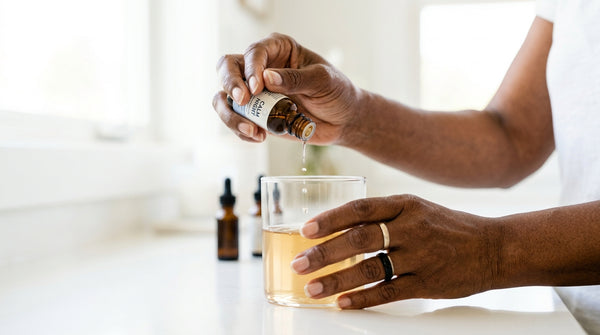


Your skin does not suddenly change overnight. Neither do your joints, nails or recovery. Healthy ageing is built in the small, repeatable choices that add up over years - and collagen is one of the most talked-about additions to that routine.
Collagen for healthy ageing is not a magic rewind button. It is, however, a well-studied protein that may help support the structures that keep you looking, moving and feeling like yourself. The smart move is knowing what it can realistically do, what it cannot, and how to make it earn its place in your daily line-up.
What collagen actually does
Collagen is the most abundant protein in the body. Think of it as part of the framework beneath the surface: it helps provide structure to skin, cartilage, bones, tendons, ligaments and blood vessels. Your body makes collagen from amino acids supplied by food, with vitamin C playing a key role in the production process.
From our mid-twenties onwards, collagen production naturally begins to slow. Sun exposure, smoking, poor sleep, stress, low protein intake and hormonal shifts can add to the pressure. That does not mean decline is inevitable. It means the basics matter more, and targeted support can make sense.
Supplemental collagen is usually hydrolysed, meaning it has been broken down into smaller peptides. These peptides are designed to be absorbed more easily. They do not travel directly to a wrinkle or sore knee and rebuild it on command. Instead, research suggests they may signal the body to support its own collagen-related processes.
That distinction matters. Good wellness is not about hype. It is about giving your body useful building blocks and creating the conditions to use them.
Collagen for healthy ageing: where it may help
The strongest conversation around collagen tends to focus on skin, but its role goes beyond glow. Results vary between people, and studies differ in quality and design, yet there is promising evidence for several areas.
Skin elasticity and hydration
As collagen levels decline, skin can become less firm and less able to hold onto moisture. Some studies of hydrolysed collagen peptides have found improvements in skin hydration, elasticity and the appearance of fine lines after consistent use over several weeks or months.
The word to remember is consistent. Taking collagen once after a late night and expecting plumper skin by breakfast is not the assignment. Most research looks at daily use over eight to 12 weeks, often longer. Your skincare routine, SPF habits, diet and sleep will still have a major say in the result.
Joint comfort and everyday movement
Cartilage contains collagen, which is why collagen supplements are also popular with people who run, lift, walk long distances or simply feel more aware of their joints than they used to. Some evidence suggests collagen peptides may support joint comfort and function, particularly when paired with regular movement.
This is not a replacement for medical care, strength training or addressing a persistent injury. But if your goal is to keep moving freely, collagen can be a sensible supporting player. Pair it with resistance training, enough protein and mobility work, rather than relying on a scoop alone.
Bones, muscles and recovery
Bone is living tissue, not just a hard frame. It contains a collagen matrix that helps give it flexibility and structure. Emerging research suggests collagen may support bone health in some groups, especially alongside resistance exercise and adequate calcium and vitamin D. More large-scale research is still needed, so keep expectations grounded.
Collagen is not a complete protein because it is low in certain essential amino acids. That means it should not replace your usual protein sources. Think eggs, yoghurt, fish, pulses, tofu, lean meat or whatever fits your diet. Collagen can complement the picture, but it should not carry the whole protein plan.
Is marine collagen worth choosing?
Marine collagen is typically sourced from fish skin and scales, and it is commonly rich in type I collagen. Type I is the main collagen type found in skin, bones, tendons and ligaments, which makes marine collagen a natural fit for people focused on skin and active ageing.
Its popularity comes down to more than a trend. Hydrolysed marine collagen peptides are generally small and easy to mix into a routine, whether that is your morning coffee, a smoothie or water on the way to work. If you have a fish allergy, avoid marine collagen. If you follow a vegetarian or vegan diet, it will not be suitable either.
There is no universal winner between marine, bovine and other collagen sources. The best option depends on your dietary preferences, allergy considerations, quality standards and whether you will actually take it every day. The most effective supplement is usually the one that fits your life without becoming another half-used tub at the back of the cupboard.
How to use collagen without overthinking it
A daily serving of around 2.5g to 10g of hydrolysed collagen peptides is common in research and commercial products, depending on the intended benefit. Follow the serving guidance on your chosen product rather than chasing the biggest number on the label.
Taking collagen with vitamin C is a practical choice because vitamin C is needed for normal collagen formation. That does not mean you need a complicated stack. A formula containing vitamin C, or a meal with fruit and vegetables during the day, can help cover the base.
Timing is less important than repetition. Take it when you are most likely to remember it. Morning coffee person? Make it part of that ritual. Prefer an afternoon shake? Great. For an active routine, taking collagen around training can be convenient, but it is the weeks of steady use that matter more than the exact minute you drink it.
NUYU’s marine collagen with vitamin C is built around that simple idea: one easy daily ritual, with no need to turn your kitchen into a supplement laboratory.
The non-negotiables collagen cannot replace
Collagen works best as part of a routine that supports ageing well from every angle. SPF is still your skin’s front-line defence against UV-related collagen breakdown. Protein-rich meals still matter. Strength training remains one of the most powerful ways to support muscles, bones, balance and independence as you age.
Sleep deserves a place here too. Short, disrupted nights can show up in your energy, recovery and skin. Hydration helps skin look and feel its best, although it will not erase deep lines. And if you smoke, stopping is one of the most meaningful things you can do for collagen health and overall wellbeing.
None of this is glamorous. It is also where the real results live. Supplements are there to sharpen a strong routine, not disguise a weak one.
Who should check before taking collagen?
For most healthy adults, collagen is generally well tolerated. Some people notice mild digestive discomfort, such as fullness or nausea, particularly when starting with a larger serving. Reducing the amount initially or taking it with food may help.
Check the source carefully if you have allergies. Anyone who is pregnant, breastfeeding, managing a health condition or taking prescribed medication should speak to a GP, pharmacist or qualified healthcare professional before adding a new supplement. The same goes for unexplained joint pain, major changes in skin or symptoms that are getting worse - do not let a wellness routine delay proper advice.
Give your routine time to show up
Healthy ageing does not need to look like a 14-step ritual. It can be a few well-chosen habits done often: protein on your plate, SPF before you leave the house, movement that makes you feel strong, sleep you protect, and collagen if it suits your goals.
Start there, stay consistent, and let the boringly effective basics do what they do best. Future you will feel the difference.