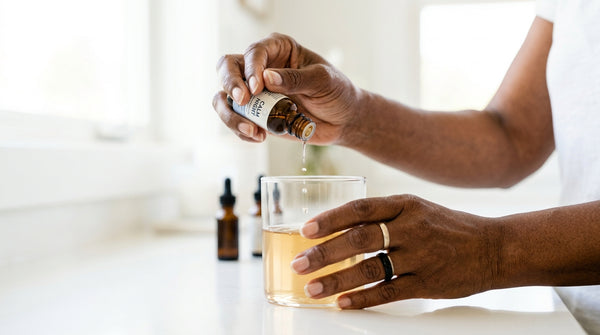


Your 3pm slump is not always a coffee problem. Sometimes it is the predictable result of starting the day with one rushed sip, then expecting your body to run on fumes until lunch. Headaches, low mood, brain fog, snacky cravings and a workout that feels harder than it should can all show up when fluids have slipped down the priority list.
Learning how to build a hydration ritual is less about carrying a giant bottle like a personality trait. It is about creating a few repeatable moments that make drinking enough feel automatic - whether you are commuting, training, parenting, travelling or glued to back-to-back calls.
Why hydration needs a ritual, not more willpower
You already have rituals. The first scroll of the morning. The coffee order. The point in the evening when your trainers come off and the sofa wins. Hydration works best when it has the same kind of cue. If the only plan is to drink when you remember, your busiest days will be the days it disappears.
Water supports normal temperature regulation, circulation and physical performance. It also helps your body manage the ordinary demands of a full day. But the goal is not to chase a perfect, universal number. Fluid needs change with body size, weather, activity, pregnancy, breastfeeding, illness and the amount of water-rich food you eat. Some people also need specific advice from a clinician, particularly if they have kidney, heart or liver conditions, or take medicines that affect fluid balance.
That is why a ritual beats rules. It gives you structure without turning hydration into another wellness chore.
Start with your real-life hydration gaps
Before buying another bottle, look at where the day goes off track. Most people do not need a dramatic reset. They need to close one or two obvious gaps.
Maybe you wake up thirsty but reach for coffee first. Maybe meetings make the morning vanish. Maybe you train after work and only realise how little you have had once the headache arrives. Or perhaps plain water is technically available, but it is not appealing enough to choose over a second iced coffee.
For three days, notice your pattern without trying to fix it. Jot down when you drink, when you feel thirsty, and when your energy or concentration dips. Look at the moments around meals, exercise, your commute and your wind-down. You are searching for reliable anchors, not judging yourself for a low-water day.
A useful reality check: pale yellow urine often suggests you are reasonably hydrated, while consistently dark yellow urine can be a sign you need more fluid. It is only one clue, though. Supplements, foods and medicines can alter colour, and excessive water intake is not a flex either. Drinking huge amounts in a short window can dilute blood sodium, which can be dangerous.
How to build a hydration ritual around your day
The best routine is delightfully boring: easy enough to repeat when your calendar is chaos. Pick two or three anchors you already do every day, then attach a small drink to each one.
Make the morning your first win
Put a glass or filled bottle where you will see it before the kettle goes on. Drink some water while your coffee brews, not instead of it. Coffee and tea can still contribute to daily fluid intake for most people, but starting with water helps you build a habit that does not depend on caffeine.
Keep it small at first. A full litre before 9am is unnecessary for most people and can feel like punishment. One glass after brushing your teeth is a clean, repeatable cue. If you wake up dry-mouthed, have trained early or know the day will be warm, make that first drink a little more intentional.
Pair fluids with transitions
Transitions are hydration gold. Refill your bottle when you sit down to work. Take a few mouthfuls before a meeting starts. Drink with lunch. Have water waiting in the car or bag before the school run, commute or errand loop begins.
This approach is more effective than setting an alarm every 20 minutes, which tends to become background noise by day two. You are building a chain of familiar actions: laptop open, drink; lunch plated, drink; shoes on for a walk, drink. No mental admin required.
If you work from home, keep your bottle in the room where you actually work, not in a photogenic corner of the kitchen. If you work on the go, choose a leakproof bottle that fits your bag and is easy to clean. The most aesthetic bottle in the world is useless if it stays empty in the cupboard.
Create an afternoon reset
The mid-afternoon is where hydration rituals earn their place. Rather than reaching automatically for sugar or another espresso, make a cold drink part of your reset. Step away from the screen, refill, and drink alongside a protein-rich snack or a proper meal if lunch was rushed.
Flavour can help here. Chilled water, sparkling water, mint, citrus or berries can make the same habit more satisfying. There is no prize for forcing yourself through water you dislike. The point is consistency.
Match exercise with a smarter plan
A gentle walk does not demand the same strategy as a long run, hot yoga class or sweaty gym session. For everyday movement, drinking regularly through the day and having water around your session is often enough. For longer or intense exercise, particularly in heat, you lose sodium as well as fluid through sweat.
That is where an electrolyte drink can be useful. Sodium helps the body retain fluid, while carbohydrates can support endurance efforts when included in an appropriate sports drink. It depends on the session, your sweat rate and what you have eaten. Electrolytes are not automatically necessary for a 30-minute stroll, and they are not a substitute for meals or regular water.
A hydration formula can be a practical part of your kit when plain water is not cutting it - after a demanding workout, during travel, or on a hot day. NUYU keeps this refreshingly simple with hydration support designed to fit a routine, not complicate it.
Make the ritual easy to repeat
Friction kills good intentions fast. Your hydration set-up should reduce decisions, not create them. Fill your bottle the night before. Keep a glass by your desk. Add a spare sachet or reusable bottle to your work bag. Choose the temperature you genuinely enjoy.
It also helps to give the habit a visual finish line. Instead of obsessing over litres, decide how many times you will refill your own bottle on a typical day. That makes progress visible and adaptable. A 500ml bottle refilled twice is different from a 1-litre bottle refilled twice, but both give you a clear cue to act.
Do not treat every day as identical. On a cool desk day, you may need less than on a humid holiday, a long-haul flight or a weekend spent lifting boxes during a house move. Check in with thirst, activity and how you feel, then adjust without drama.
The hydration mistakes that quietly derail you
The all-or-nothing approach is the biggest one. Missing your morning water does not mean the day is ruined. Start at lunch. Refill after your next meeting. A ritual is a return point, not a test you pass or fail.
Another common mistake is saving most fluids for the evening. That can mean constant trips to the loo just when you want to sleep. Spread drinks through the day, then ease off closer to bedtime if night-time waking is an issue for you.
Finally, do not ignore persistent symptoms. Ongoing thirst, frequent urination, dizziness, swelling, severe headaches or fatigue deserve medical advice, especially if they are new or worsening. More water is not the answer to every symptom.
Give it seven days, then make it yours
For the next week, keep the experiment simple: drink a glass after brushing your teeth, refill at lunch, and have a purposeful drink around exercise or your afternoon slump. Track what feels easy, what gets missed and what actually improves your day.
The goal is not to become the person who lectures everyone about hydration. It is to feel clearer, steadier and more prepared for whatever your schedule throws at you. Build the ritual around the life you already have, and let every refill be a small vote for feeling better.