

Hey all, Dan here from NUYU...Fifty can be the age when your gut stops playing nicely with guesswork and believe me at 49 im almost there!. Foods you once ate without a second thought can suddenly leave you bloated, sluggish or just not quite right. That is why probiotics for over 50s are getting more attention - not as a wellness fad, but as a practical way to support digestion, immune function and day-to-day comfort when your body starts asking for a bit more care.
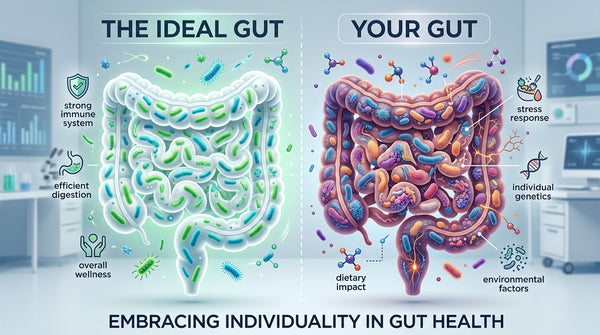
The key thing to know is this: not every probiotic is worth your time, and not every person over 50 needs the same kind of support. Gut health is personal. Age matters, yes, but so do diet, stress, medication use, hormone changes, sleep and how your digestion feels on an average Tuesday, not just after a huge meal.
Why probiotics can matter more after 50
Your gut does not hit a dramatic switch on your 50th birthday, but changes do build over time. Stomach acid may shift with age, digestion can feel slower, and the balance of bacteria in the gut can become less diverse. Add common factors such as antibiotics, frequent travel, stress, poor sleep or a lower-fibre diet, and the microbiome can start to look a bit less resilient.
That matters because your gut is involved in far more than food. It plays a part in bowel regularity, nutrient absorption, immune response and even how comfortable you feel day to day. If your digestion is off, everything else can feel harder than it needs to.
For some people over 50, probiotics may help with bloating, irregularity or digestive disruption after antibiotics. For others, the benefit is subtler - fewer off days, better consistency, less of that heavy, unsettled feeling that becomes easy to dismiss as just getting older. Getting older does change the body. Feeling rough all the time should not be the default.
What probiotics actually do
Probiotics are live microorganisms that, when taken in adequate amounts, may support health. In plain English, they are beneficial bacteria or yeasts that can help support the balance of your gut microbiome.
The word may sound simple. The reality is not. Different strains do different jobs, and that is where many people get caught out. A probiotic is not one thing. It is a category. One formula may be aimed at everyday digestive balance, while another is designed to support the gut during or after antibiotics. Another might focus on bowel regularity or immune support.
That is why choosing based on a flashy label alone is rarely the smart move. Science-backed strains matter more than marketing noise.
Probiotics for over 50s: what to look for
If you are shopping for probiotics for over 50s, start with the formula, not the hype. A good product should tell you the specific strains included, not just a vague total bacteria count. Names such as Lactobacillus acidophilus or Bifidobacterium lactis matter because research is strain-specific. If the label is all confidence and no detail, keep moving.
The dose matters too, but bigger is not always better. More colony-forming units, often shortened to CFUs, does not automatically mean better results. For some people, a moderate-dose formula with well-studied strains is a better fit than a mega-strength product that throws everything in and hopes for the best.
It is also worth paying attention to storage instructions and capsule design. Some probiotics need refrigeration, others are made to stay stable at room temperature. Neither is automatically superior, but the product does need to survive long enough to be useful. If you want something easy to take daily, convenience counts.
A thoughtful formula may also include prebiotics, which are fibres that feed beneficial gut bacteria. That can be useful, but it is not perfect for everyone. If you already deal with bloating or a sensitive gut, some prebiotic ingredients can feel a bit much at first.
Who may benefit most
There is no single profile for the ideal probiotic user, but a few signs suggest it may be worth considering. If you often feel bloated, irregular, uncomfortable after meals or thrown off by travel or antibiotics, your gut may benefit from extra support.
People over 50 who are taking multiple medications sometimes find digestion becomes less predictable. Others notice changes around menopause, retirement, changing routines or more frequent stress. These are not glamorous wellness talking points, but they are real life, and real life is where supplements need to earn their place.
That said, probiotics are not a cure-all. If you have persistent digestive pain, unexplained weight loss, blood in the stool or a sudden major change in bowel habits, that is not a supplement-shopping moment. That is one for your GP.
How to take probiotics without overcomplicating it
Wellness does not need more chaos. If you decide to try a probiotic, keep the routine simple enough to actually stick.
Take it consistently for a few weeks rather than expecting fireworks on day one. Some people notice a difference quickly, especially after digestive disruption. For others, it is more gradual. The goal is not drama. It is steadier digestion and fewer unpleasant surprises.
It can help to take your probiotic at the same time each day. Morning with breakfast is often easiest because routines matter more than supplement perfection. If the label says to take it with food, follow that. If it suggests spacing it away from antibiotics, do that too.
And while probiotics can be useful, they work best when the rest of your routine is not fighting against them. Too little fibre, poor hydration, constant stress and erratic meals can all make gut health harder to maintain. A capsule can support a strong foundation. It cannot replace one.
The food piece still counts
Supplements are there to support, not to carry the whole load. If your diet is low in fibre and variety, your gut bacteria have less to work with.
Aim for more plant foods across the week - vegetables, fruit, beans, oats, nuts, seeds and wholegrains all help feed beneficial microbes. Fermented foods such as yoghurt, kefir, sauerkraut and kimchi may also help, though tolerance varies. Some people love them. Others get more bloated and need to build slowly.
Hydration matters more than most people think, especially if constipation is part of the picture. So does movement. A daily walk will not trend on social media, but your digestive system tends to appreciate it.
Common mistakes with probiotics for over 50s
One of the biggest mistakes is expecting a probiotic to fix a problem that has a completely different cause. If bloating is actually linked to lactose intolerance, coeliac disease, IBS, medication side effects or eating too fast at your desk, a probiotic may only do so much.
Another mistake is switching products too quickly. If you try one formula for four days, get impatient and order something stronger, you end up learning very little. Give it a fair trial unless you feel noticeably worse.
There is also the temptation to buy based on the highest CFU count, the longest list of strains or the loudest claims. More is not always smarter. Better targeted is usually better.
A clean, well-explained formula that fits your goal is often the more sensible choice. That is where brands that make wellness easier to navigate, rather than more confusing, genuinely stand out.
When a probiotic may not be right
Probiotics are generally well tolerated, but they are not for absolutely everyone. Some people get mild gas or bloating when they first start, particularly with stronger formulas or added prebiotics. That can settle, but not always.
If you are immunocompromised, seriously unwell or under specialist medical care, it is worth checking with a healthcare professional before adding one. And if a probiotic consistently makes you feel worse, stop. Your gut does not get extra points for suffering through a supplement that is not working for you.
A smarter way to choose
Look for clarity. You want named strains, a sensible dose, straightforward usage instructions and a formula built around a real outcome, whether that is digestive balance, travel support or recovery after antibiotics. Bonus points if the brand explains why those ingredients are there instead of hiding behind buzzwords.
This is where a more modern wellness approach makes sense. You do not need a shelf full of confusing bottles and a spreadsheet to track them. You need products that are easy to understand, fit your routine and are backed by actual thinking. That is the kind of no-fuss, science-led support people tend to stick with.
If your digestion has become less predictable with age, probiotics could be one of the simplest upgrades to your daily routine - not because they promise miracles, but because feeling comfortable in your own body is never a small win.