

Airport coffee, recycled cabin air and a full day spent running on snacks - that is usually when hydration falls apart. The best hydration products for travel are the ones that work fast, pack small and fit into real life, whether you are flying long-haul, driving for hours or hopping between meetings with a carry-on and very little patience.
Hydration sounds basic until you are the one stepping off a flight with a headache, dry skin, puffy ankles and energy levels somewhere near the floor. Water matters, obviously, but travel changes the game. You lose fluids more easily on planes, often drink less to avoid constant loo trips, and tend to eat saltier, less balanced meals on the move. That is why the smartest travel hydration setup is not just a water bottle. It is a small routine.
What makes the best hydration products for travel?
The short answer is convenience plus function. If a product is bulky, messy or complicated, it will stay in your bag untouched. The best options are portable, easy to use and actually support how your body handles stress, sleep disruption and changing climates.
Electrolytes are usually the biggest upgrade. Plain water is great, but if you have been sweating, flying, walking all day or drinking alcohol, a good electrolyte mix helps your body retain and use fluids more effectively. The detail that matters is balance. Too much sugar can leave you feeling worse, while ultra-low sodium formulas may not do much when you really need to replenish.
It also depends on the trip. A beach break in a hot climate needs a different setup from a cold-weather city break with central heating and red-eye flights. If you are travelling for work, you may care more about focus and energy. If it is a hiking trip, recovery matters more. Good travel hydration is not one-size-fits-all, and that is exactly why choosing the right products matters.
1. Electrolyte sachets are the travel MVP
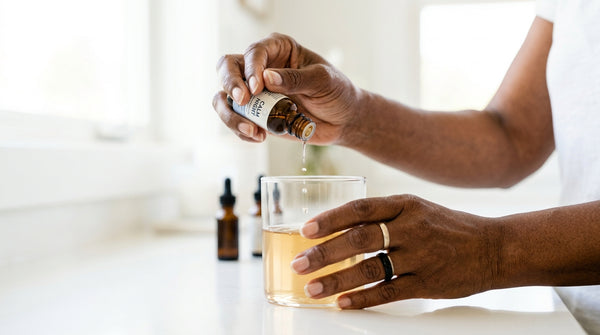
If you buy one thing, make it a well-formulated electrolyte drink mix in single-serve sachets. They take up almost no space, get through travel days without fuss and do more than plain water when you are depleted.
Look for a formula with key electrolytes such as sodium, potassium and magnesium. That combination supports fluid balance, muscle function and nerve signalling, which matters when you are jet-lagged, crampy or running on little sleep. A powder or tablet format is usually better than ready-made bottles because it is lighter and less likely to be taken off you at security.
Taste matters too. If the flavour is aggressively sweet or medicinal, you will stop using it by day two. The best ones are clean, easy to drink and low enough in sugar that they feel refreshing rather than syrupy.
2. A reusable water bottle you will actually carry
Not all reusable bottles are travel-friendly. Some are too heavy, some leak, and some take up half your backpack before you have even filled them. The best bottle for travel is simple: lightweight, leakproof and easy to refill.
Insulated bottles are brilliant for long journeys and hot weather, but they can add weight. If you travel light, a collapsible bottle may be the smarter move. It will not keep water icy for hours, but it saves space and is ideal for airport refills.
Wide-mouth designs are useful if you want to drop in an electrolyte tablet or add ice. Just be honest about your habits. The perfect bottle on paper is useless if it is too annoying to clean or too bulky to bring out with you.
3. Hydration tablets for zero-mess packing
Powder sachets are excellent, but tablets have one clear edge: no spills. If you have ever opened your wash bag to find flavoured powder coating everything you own, you already know why this matters.
Hydration tablets are compact, tidy and ideal for shorter trips or minimalist packing. They tend to be slightly less customisable than powders, and some have a fizzy taste that not everyone loves, but they are very easy to use. Drop one into water, wait a minute, done.
For busy travellers, that kind of ease is half the battle.
4. Lip balm is hydration care too
People talk about hydration as if it only happens in a bottle. Then they land with lips so dry they hurt to smile. A good lip balm deserves a place in any travel setup, especially if you fly often or move between cold outdoor air and overheated indoor spaces.
Choose something protective rather than overly glossy. Ingredients that help seal in moisture are what matter here. If you are travelling somewhere sunny, SPF is worth having too.
This is not glamorous wellness advice. It is practical. And practical wins when you are 35,000 feet in the air.
5. Face mist and topical hydration for dry cabin air
Cabin air is brutal on skin. Even short flights can leave your face tight, dull and irritated, especially if you already lean dry or sensitive. A good face mist or hydrating spray can make a noticeable difference, but not all mists are equal.
Some are basically scented water with marketing. Better options include humectants or minerals that support skin hydration without leaving residue. Used properly, they are a quick reset before landing or after a long train journey.
If you are packing light, this is one of those products that feels optional until you use it. Then it quietly becomes non-negotiable.
6. Magnesium support can help when travel depletes you
Hydration and magnesium are closely linked, especially if your trip involves poor sleep, lots of walking or muscle tension from sitting too long. Magnesium is not a replacement for fluids, but it can support recovery and help your body cope better with the physical side of travel.
For some people, a topical magnesium spray makes more sense than another supplement tub in the suitcase. It is easy to use at night, helpful after long days on your feet and fits neatly into a wider travel routine built around feeling human again. That is where a brand like NUYU gets it right - wellness works better when it is goal-based, not complicated.
7. Oral rehydration products for tougher travel days
Sometimes standard electrolytes are not enough. If you are dealing with a stomach bug, extreme heat or genuine dehydration after a long journey, oral rehydration solutions can be the better choice.
These are more functional than lifestyle-friendly, and they often taste less exciting. But they are formulated for a reason. The ratio of glucose and electrolytes is designed to help the body absorb fluids more efficiently when you are struggling.
This is the product you hope not to need but will be glad you packed.
8. Hydrating snacks pull more weight than you think
Travel hydration is not just liquids. Foods with high water content can help more than people realise, especially on days when drinking enough feels oddly difficult.
Fresh fruit, yoghurt pots, cucumber, tomatoes and smoothies can all support hydration while giving you energy. Salty snacks have their place too, particularly if you are sweating a lot, but they work best with proper fluid intake rather than as a substitute for it.
This is one of those trade-offs that matters. A protein bar is convenient. It is rarely hydrating. If you have the choice, mix dry snacks with something that actually adds fluid back in.
9. Under-eye patches and skin barriers for overnight flights
No, under-eye patches do not rehydrate your whole body. But if you want to arrive looking less wrecked, they can earn their keep. Overnight flights are notorious for dehydration showing up first around the eyes and skin barrier.
The best patches are cooling, lightly hydrating and easy to use in a hotel room after landing. Pair them with a straightforward moisturiser and you can fake a surprising amount of freshness.
This sits in the lifestyle lane of hydration, not the medical one. Still counts.
10. A travel-friendly routine beats random products
The best hydration products for travel work even better when they are used as a system. That does not mean a 12-step schedule taped into your suitcase. It means knowing what to use and when.
Start hydrating before you leave, not once you are already thirsty at the gate. Use electrolytes on flight days, after heavy activity or when alcohol is involved. Keep your water bottle visible. Reapply lip balm before your lips feel wrecked. Use skin hydration support on planes and overnight. If you are prone to cramps, fatigue or post-flight stiffness, build in magnesium support as part of your evening routine.
That is the real difference between buying products and actually feeling better when you travel. The first is shopping. The second is strategy.
How to choose what is worth packing
If your trips are mostly short city breaks, keep it lean: an electrolyte tube, a compact bottle, lip balm and one topical skin hydrator will probably cover you. For long-haul flights, hot climates or active holidays, step up to a fuller kit with oral rehydration backup and recovery support.
Watch out for products that look impressive but solve no real problem. Oversized bottles, powders with too much sugar, gimmicky “detox” drinks and complicated supplement stacks are usually more hassle than help. Travel wellness should feel lighter, not more high-maintenance.
The sweet spot is simple, effective and easy to repeat. If it fits in your bag, makes you feel better fast and does not require a spreadsheet to remember, you are on the right track.
Travel has enough chaos built in. Your hydration plan should be the part that feels sorted.